Self-hosted · on-prem · open source
A fax. A voicemail. A scan. An email.
Read on-prem,
on the right chart.
Every fax, voicemail, scan, and email that reaches your clinic lands in one place, already read on your own hardware. You check the suggested chart, confirm the patient, and it is filed with the right people notified. An open replacement for RightFax and the classification service bolted on top.
No page, no recording, no message leaves the building.
Every channel, one path to the right chart, with a person in the loop
The same path no matter how it arrived. It does the reading and the legwork, and you make the call.
It lands in one place
A fax, a voicemail, a scan from the copier, an email with a PDF. You find them waiting together in one queue.
Read before you open it
Each one arrives already read and sorted on hardware you own, so the page and the audio never leave the building.
A suggestion, ready
Next to each item you see a suggested chart and who to notify, from rules you wrote in plain English.
You make the call
You confirm the patient, and it files to the chart while the right people are told.
Everything the floor actually needs
Everything the old fax server did, plus the reading, routing, and filing you were paying a second vendor for, on hardware you control. Open any card to see the real screen and what it means for your day.
Every way it arrives
A fax. A voicemail. A scan from the copier down the hall. An email with a PDF. A text. You work them all from one queue, each turned into a single reviewable item.
- Inbound fax over SIP, and send by emailing a number
- Voicemail recorded and transcribed on your own hardware
- Scan-to-fax and scan-to-email straight from the copiers
- Embedded EHR web chat and dictation are on the way
Wired into your devices
The printers, copiers, and scanners you already own become part of how you work, instead of something you work around.
- Route an inbound fax straight to a tray, like the old server did
- Live device state: jam, toner, paper, offline
- Publish address books to copiers over read-only LDAP
- Per-user access, favorites, and drag a fax onto a printer
Read on your own hardware
Every page and recording is read where it lands, so nothing you receive, no image, no audio, no message, ever leaves the building.
- OCR plus document type, specialty, and priority on your GPU
- Always-on junk, cover-sheet, and urgent detection
- Cloud services are never in the path, by design
Calls, handled
A patient who calls gets the same handling as the fax they sent: screened, recorded, transcribed, and worked from the same queue.
- Screen a call: block, ring, send to voicemail, or pass through
- Voicemail rides the same rules and review as a fax
- Spoken prompts synthesized on-prem
It suggests, you decide
You get a suggested chart to file against and who to notify, and nothing moves until you confirm it.
- Routing written in plain English, tested against recent items
- A review queue holds every suggestion for a human
- A rule earns its way into routing on its own, with brakes
Onto the chart, to the right people
You confirm the patient, and it files to the record while the people who need it are told.
- Filed to MEDITECH as HL7, with the patient confirmed by a human
- Delivered to the mailbox, the inbox, email, or a printer
- A toast, a chime, or a push when something new lands
Numbers and directory
You find the right number and request your own, while Active Directory stays the source of truth for who owns what.
- Read-only AD sync; one mailbox can own many numbers
- Staff request a fax number; the AD write is separate and audited
- Shared contacts and named address books for the whole floor
Findable later, accountable always
You can find anything in years of history, and every time someone opens a record it is on the record too.
- Search the archive by keyword and by meaning
- A database-level floor logs every PHI read, not just app clicks
- Active-active media so the trunk keeps running
Take two line items off your budget
You retire the legacy fax server and the classification service bolted on top, and host one stack instead of paying for two.
| Capability | Faxart | RightFax | Bolt-on classifier |
|---|---|---|---|
| Fax send & receive over SIP | |||
| Voicemail, scan, and email in one queue | |||
| Wired into your printers & copiers | limited | ||
| Reads everything on your own hardware | cloud | ||
| Routing written in plain English | opaque | ||
| Files to MEDITECH, you control the map | partial | ||
| Searchable archive of everything | limited | ||
| No per-page or per-seat license | |||
| Self-hosted, source available |
Nothing leaves the building
You keep every page, recording, and message on a GPU you own. The page image, the voicemail audio, the message body: none of it goes to a cloud service, even one with an agreement in place. The cheapest way to keep PHI on-prem is to never let it off.
- On-prem reading for every page, recording, and message
- Every PHI read logged at the database, not just the app
- Nothing is silently dropped; quarantine and review are first-class
- A person confirms the patient before anything reaches a chart
How an item flows
- Capture fax · voice · scan · email
- Media + intake on-prem, no decisions
- Broker reads, classifies, suggests
- A person confirms chart + who to notify
- Chart & notify HL7, mailbox, print
A note on the name, for the curious
David Hockney assembled many small photographs into one image he called a joiner, seams and all. A few years later he was sending whole artworks down a phone line as fax art. We liked the rhyme: many small pieces, one picture, the hand still visible. The name is a tip of the hat, not the whole story.
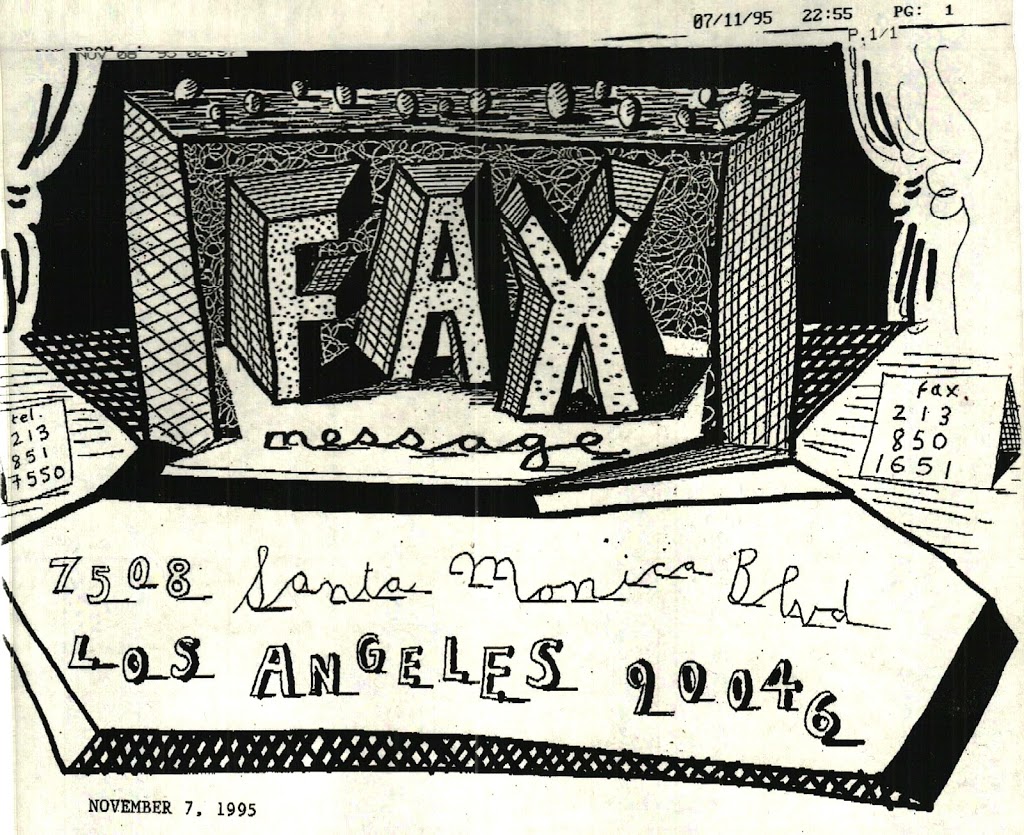

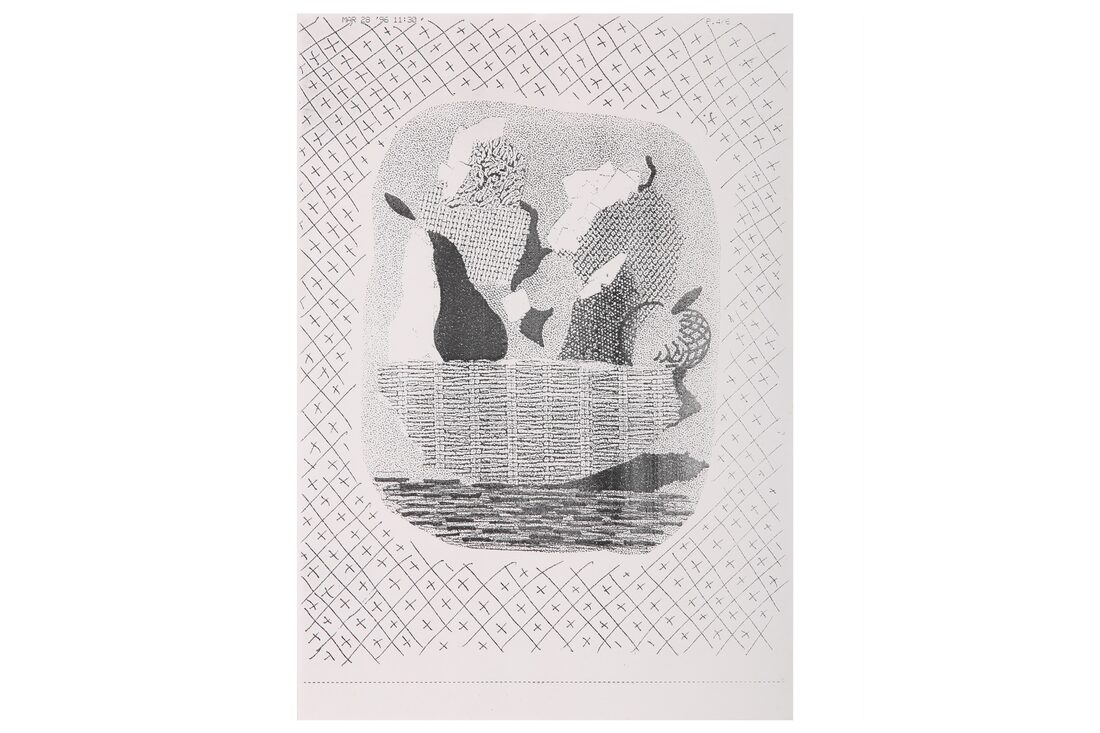
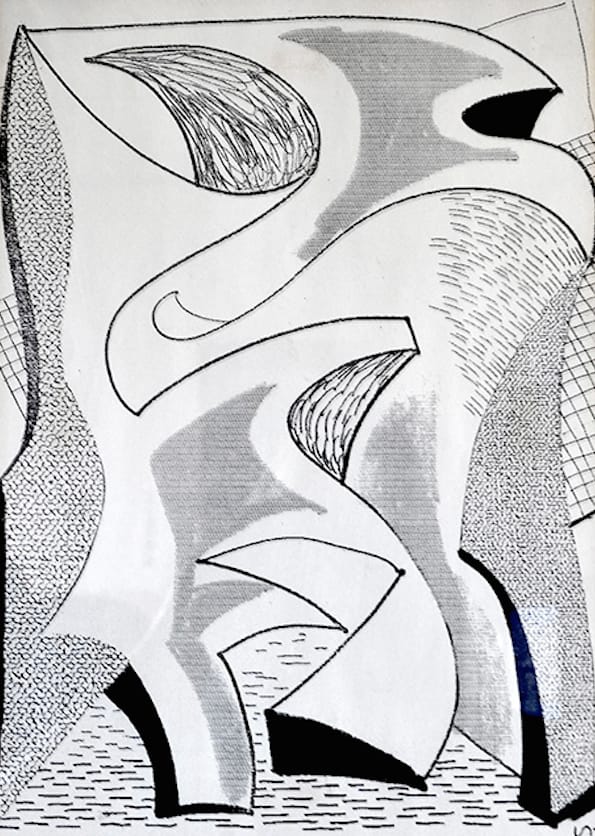

Artworks © David Hockney, shown here in tribute. Images via The David Hockney Foundation, artnet, MutualArt, and jot101. Faxart is an independent project and is not affiliated with or endorsed by David Hockney.
Keep the documents home
Stand it up on your own hardware, point it at your phone lines and your copiers, and retire the old server.